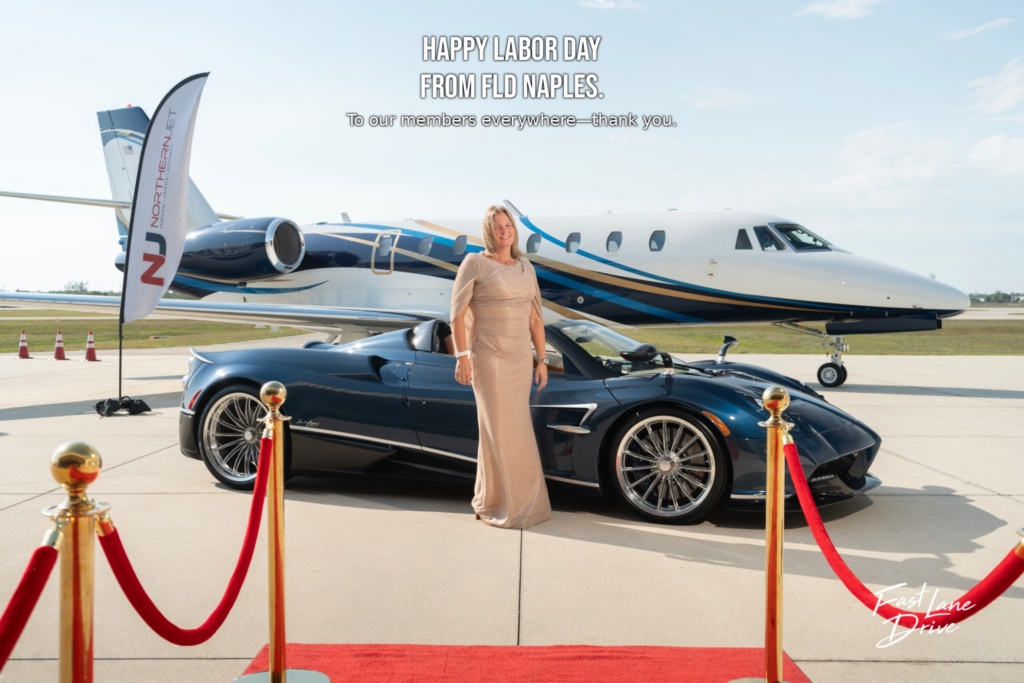
A supercar can stop traffic. The right conversation after the drive can change your next five years. That is the real opportunity when you build relationships through car events: the vehicle gets attention, but shared standards, time, and trust create the connection.
For founders, investors, executives, and collectors, conventional networking can feel transactional before the first handshake. A well-curated automotive event changes the setting. You are not trying to force a conversation across a crowded ballroom. You are spending a full day with people who value performance, discipline, experiences, and the pursuit of something beyond average.
Why Car Events Create Better Relationships
The best relationships are rarely built in a single introduction. They are built through repetition, context, and the chance to see how someone carries themselves when the schedule shifts, the weather turns, or a group has to make a decision together.
Car events naturally create those moments. A scenic drive gives people time to talk without an agenda. A private dinner gives the conversation room to deepen. A multi-day rally creates a rare kind of proximity, where people move past titles and discover shared values, family stories, business lessons, and future goals.
There is also a useful filter at work. Owning and enjoying a high-performance vehicle does not tell you everything about a person, but it often signals an appetite for quality, ambition, and memorable experiences. That common ground makes it easier to begin a conversation that would otherwise take months to find.
The car is the introduction. The community is the value.
Choose Events Designed for Connection
Not every car gathering is built for relationship-building. A large public show may be exciting, but it can also be anonymous. If everyone is standing beside their car for two hours before leaving, there is little opportunity to build trust.
Look for events with a clear rhythm: a well-organized drive, limited attendance, a shared meal, and enough unstructured time for conversations to develop naturally. The difference is intentionality. Strong organizers do more than select a route. They create the conditions for members to spend meaningful time together.
The right room matters
The value of a room is not simply measured by the number of people in it. It is measured by whether the people share a level of momentum. A room of serious operators, thoughtful collectors, and accomplished professionals creates better conversations than a room full of business cards.
That does not mean every person needs to be a potential client, investor, or partner. In fact, treating every interaction that way is the fastest route to weak relationships. The strongest networks include people who expand your perspective, introduce you to new markets, become trusted friends, or simply make the journey more interesting.
Private, application-based communities have an advantage here. A thoughtful membership process establishes a baseline of mutual respect and helps keep the culture focused on participation rather than posturing.
Prioritize recurring experiences
One event can start a relationship. Recurring events make it real.
When you see the same people across monthly drives, dinners, charitable gatherings, and destination rallies, familiarity turns into credibility. You get to know who follows through, who listens well, who brings others into the conversation, and who makes time when there is nothing immediate to gain.
This is why a global community can be especially powerful. Meeting someone in your home chapter is valuable. Running into that same member at an event in another city creates continuity that a local-only club cannot easily replicate.
How to Build Relationships Through Car Events
Arrive with curiosity, not a pitch. The most connected people in any room are often the ones who ask thoughtful questions and make others feel seen. Ask what brought someone into cars, what they are building, where they are spending time, or what experience has stayed with them most. Then listen for the answer behind the answer.
Be specific when you share your own story. “I work in real estate” ends a conversation. “I help family-owned industrial businesses reposition their properties before a transition” gives someone a reason to remember you and perhaps connect you with the right person later.
Use the event itself. Comment on the route, the destination, a driving memory, or the details of someone’s car. Automotive passion is not superficial small talk when it is genuine. It is a natural bridge to the person behind the machine.
Just as important, do not try to meet everyone. A packed day of shallow introductions is less valuable than two conversations with people you genuinely want to know better. Leave room for chance encounters, quieter discussions, and the people who may not be the loudest voices at the table.
Bring Value Before You Ask for It
High-caliber networks recognize value quickly, and they recognize extraction even faster. The easiest way to become memorable is not to announce what you need. It is to be useful without keeping score.
Make a relevant introduction. Share a resource that solves a problem discussed over dinner. Invite someone to an experience they would enjoy. Remember a detail about their business, family, or upcoming trip and follow up on it later.
This does not require grand gestures. It requires attention. A concise message after an event – “Great meeting you. I enjoyed our conversation about expanding into Texas. I’d be glad to introduce you to the operator I mentioned” – is often enough to turn a pleasant conversation into momentum.
There is a trade-off here. Not every connection should become a business conversation, and not every relationship needs a commercial outcome. Some of the most valuable people in your network may become friends first. Respecting that boundary is part of building a network people want to remain in.
Let Shared Experiences Do the Work
People remember experiences more clearly than exchanges of information. A sunrise departure, a mountain pass, a dinner after a long route, or a charitable event with a clear mission creates a shared reference point. Those moments give future conversations texture.
Philanthropic events are particularly meaningful because they reveal what a community stands for when the focus is not on cars, status, or business. Giving together builds a different kind of trust. It shows that ambition and generosity can occupy the same space.
Travel also accelerates connection, though it is not for everyone. A local drive may be the best entry point for someone with a demanding schedule. A multi-city rally can create deeper relationships because participants spend more concentrated time together. The right choice depends on what you can consistently commit to. Presence matters more than appearances.
Follow Up While the Experience Is Fresh
The event is not the finish line. It is the first chapter.
Within a day or two, reach out to the few people you connected with most. Mention something concrete from the conversation. If you offered an introduction, make it promptly and give both parties context. If there is no immediate reason to reconnect, send a simple note anyway. Genuine interest is enough.
Then stay visible without forcing it. Attend again. Join the dinner even if you cannot make the drive. Welcome new members. Celebrate another member’s milestone. The goal is not constant outreach. It is becoming a familiar, reliable presence in the community.
At Fast Lane Drive, that continuity can extend across 28 chapters in North America and Europe. A member’s car becomes a passport to recurring drives, private gatherings, destination experiences, and a broader circle of people who understand that access is only valuable when you use it well.
Be the Person People Want to Drive With
Reputation travels quickly in a private community. People remember the member who arrives prepared, respects the group, drives responsibly, includes others, and brings positive energy to the day. They also remember the person who treats every conversation like a transaction.
Your conduct is part of your network strategy. Be on time. Be present. Respect privacy. Do what you say you will do. Give others space to talk. These habits may sound simple, but they are rare enough to stand out.
The exotic car may get you through the gate. What happens next is entirely human. Show up consistently, stay curious, and invest in the people beside you. The best relationships will not feel like networking at all. They will feel like the natural result of choosing a better road and sharing it with the right people.