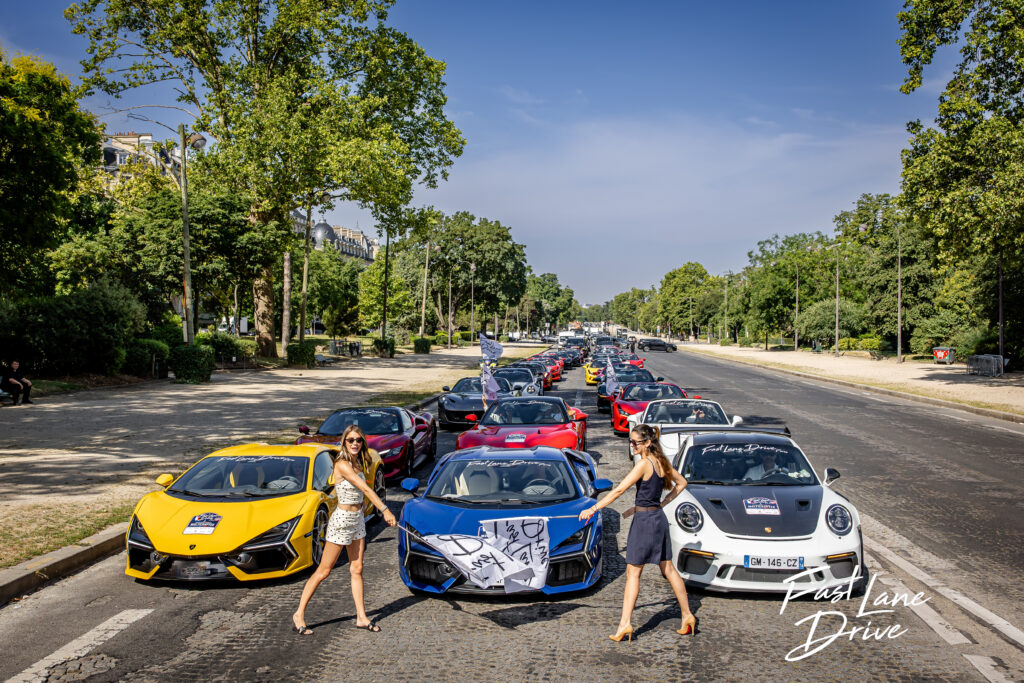
A convoy of exceptional cars gets attention. What happens after the engines cool is what gives the day its value. The best philanthropic car events turn that attention into measurable support for a cause, while bringing accomplished people together around something bigger than the next destination.
For owners, the appeal is not simply writing a check or parking on a lawn for photographs. It is the chance to use a shared passion, personal network, and the visibility of high-performance vehicles to create a moment people remember – and a result a nonprofit can put to work.
Why Philanthropic Car Events Matter
A great car event already has rare ingredients: enthusiasm, presentation, access, and a community willing to show up. Add a credible charitable mission, and the gathering gains direction. The cars become a conversation starter, but the cause becomes the reason the room stays engaged.
That distinction matters. Affluent communities are regularly asked to support worthy organizations. A well-run event gives people a more personal way to participate. They meet the organizers, hear directly from beneficiaries, bring spouses and friends into the experience, and see where their contribution is going.
The social return matters too. Purpose has a way of cutting through surface-level networking. A founder, physician, investor, or collector may arrive because of the driving route, but leave having built a relationship with someone who shares both their standards and their commitment to giving back. That is where a car community becomes more than a calendar of meetups.
For a club with an international footprint, the opportunity is even stronger. Members can support causes that matter in their home cities while joining a broader culture of service across chapters. The biggest and most exclusive car club in the world should not be defined only by where it can take its members. It should also be defined by what its members can move forward together.
What Makes a Charity Car Event Worth Attending
The strongest events are designed around a clear answer to one question: What will this gathering make possible? “Supporting a good cause” is not enough. Guests should know whether their attendance funds pediatric care, veteran services, disaster relief, education, food security, or another specific outcome.
Specificity creates trust. If ticket revenue supports a nonprofit, say how. If an auction funds a defined program, explain the target. If a portion of sponsor support covers event costs while the remainder goes to the charity, be direct about that structure. Sophisticated guests do not need a sales pitch. They appreciate clarity and the confidence that their generosity is being handled well.
The cause also needs a natural fit. A charity focused on youth opportunity may pair well with a mentorship component or a student showcase. A veterans organization may be better served by an intimate drive, a meaningful dinner, and time for real conversation than by a crowded car show. A children’s hospital benefit can create an unforgettable family-friendly arrival experience without turning patients or families into props.
It depends on the organization, the city, and the audience. The right format is not always the largest one. A smaller dinner with 40 aligned guests can produce deeper commitments than a 400-car gathering with little connection to the mission.
Designing Philanthropic Car Events With Purpose
A charitable event should feel elevated, not overprogrammed. Guests came to enjoy great roads, compelling company, and memorable vehicles. The event should honor that expectation while keeping the cause visible throughout the experience.
Start with a format that suits the objective. A scenic drive with a participation donation works well when the goal is broad attendance and chapter energy. A private dinner and live auction can be more effective for raising significant funds from a concentrated group of decision-makers. A multi-stop rally may attract sponsors and media attention, but it also requires more operational discipline and can dilute the charitable message if the itinerary becomes the main story.
The experience should have a rhythm. Open with a concise welcome that frames the mission. Build in a moment where the nonprofit’s leadership or a credible representative explains the need in human terms. Give guests a clear opportunity to contribute, then let the event breathe. The drive, meal, and conversations should still feel like the reward for showing up.
Car owners also notice details. Secure parking, a well-planned route, professional staging, thoughtful hospitality, and a realistic schedule signal respect for their time and vehicles. Safety is non-negotiable. Clear driver expectations, route support, speed discipline, insurance awareness, and contingency planning protect participants, the host organization, and the charity’s reputation.
The Role of Sponsors
Sponsors can expand what an event can accomplish, but they should enhance the experience rather than dominate it. The right partner may underwrite a venue, offer a meaningful auction item, support transportation, or match donations. The wrong partner turns a purpose-led gathering into a promotional floor.
Choose businesses that align with the audience and the cause. Give them visibility that feels earned: a thoughtful introduction, an experiential touchpoint, or recognition tied to their contribution. Keep the number of sponsor messages controlled. Guests should leave talking about the people they met and the impact created, not the logos they saw.
Giving Beyond the Ticket
Ticket pricing is only one lever. Many successful events create several natural paths to participate, including direct donations, matching commitments, curated auction experiences, and post-event pledges. The key is avoiding pressure for pressure’s sake.
A compelling ask is specific, brief, and voluntary. If a member wants to fund an entire program component or introduce the nonprofit to their company, make space for that conversation privately. High-capacity guests often give more when they are invited into the strategy, not merely asked to raise a paddle.
The Network Effect of Shared Purpose
Business relationships do not become meaningful because two people exchanged contact information between courses. They become meaningful when there is context, trust, and a reason to reconnect. Philanthropic events create that context naturally.
A shared mission reveals how people think. You see who follows through, who brings others into the room, who asks thoughtful questions, and who gives without needing credit. Those are valuable signals in any network. The resulting relationships can lead to partnerships, mentorship, referrals, and friendships, but none of that needs to be forced.
That is why the guest mix matters as much as the cars. Invite people who will add conviction and conversation to the room: local operators, nonprofit leaders, members with relevant experience, and supporters who care about the mission. Exclusivity is not about making a cause feel inaccessible. It is about curating a room where every person can contribute something meaningful.
Fast Lane Drive approaches this intersection with the belief that your exotic car is just the beginning. Across a global community of high-performing members, the opportunity is to create experiences that carry momentum beyond the final stop – into the cities, organizations, and people who need it most.
Measuring What Actually Changed
A beautiful event is not automatically a successful one. The clearest measure is the money raised and delivered, but it should not be the only one. Track sponsor support, in-kind contributions, attendance, new donor introductions, volunteer commitments, and follow-up meetings generated for the nonprofit.
Then communicate the result. Thank guests promptly and report the outcome with precision. If funds were allocated after the event, follow up again when the charity can share what those funds accomplished. This is where credibility compounds. Members are more likely to return, bring a friend, or make a larger commitment when they can see the full arc from gathering to impact.
There is a trade-off here: elaborate production can make an event feel exceptional, but high costs can undermine the charitable result. Spend where it improves safety, guest experience, and fundraising potential. Be disciplined everywhere else. The goal is not to make generosity look expensive. The goal is to make it effective.
The next time a row of extraordinary cars gathers before sunrise, ask a better question than where the road leads. Ask who the day can help, who needs to be in the room, and what lasting action can begin once everyone arrives.
Fast Lane Drive Charity FAQs
1. What is the Fast Lane Drive charity event?
Fast Lane Drive is a fundraising event that brings car enthusiasts and community members together to support charitable causes through donations, activities, and special experiences.
2. Which charities does the event support?
The charities supported may vary by event. Details about the selected nonprofit organizations and how funds will be used are shared before each drive.
3. How can I participate?
You can participate by registering for the drive, attending the event, making a donation, sponsoring an activity, or volunteering.
4. Do I need a special car to join?
Participation requirements depend on the event. Some driving activities may have vehicle guidelines, but everyone is welcome to attend, donate, or volunteer.
5. How much of my donation goes to charity?
Donation distribution and event expenses are disclosed by the organizers. Contact the Fast Lane Drive team for details about the specific event you are supporting